Blog
Peptide Handling Laboratory Guidelines for Researchers

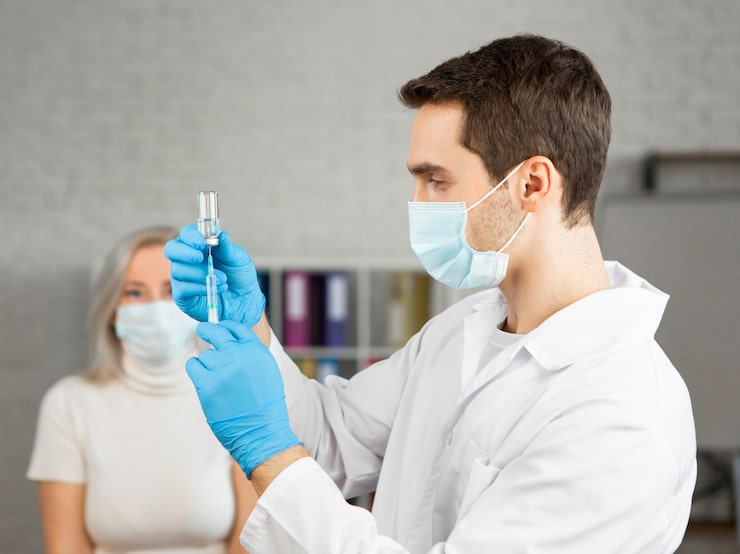
Proper peptide handling is essential for maintaining sample integrity, analytical consistency, and reliable research outcomes. Even peptides with high purity and verified analytical data can become compromised through poor laboratory handling practices. Exposure to contamination, moisture, heat, or repeated environmental stress may reduce peptide stability and affect experimental reproducibility.
Modern research laboratories follow structured handling procedures to minimise degradation risks and preserve peptide quality throughout preparation, storage, and experimental use. These practices help researchers maintain consistency while protecting sensitive peptide materials from avoidable damage.
Understanding peptide handling laboratory guidelines is important for researchers working with peptide compounds in analytical, biological, and scientific research environments.
This guide explains the core handling procedures used in laboratories, including contamination prevention, documentation practices, storage during handling, and general best practices for maintaining peptide integrity.
Why Proper Peptide Handling Matters
Peptides are highly sensitive compounds that may degrade or become contaminated if handled incorrectly.
Preserving Peptide Stability
Improper handling may lead to:
- Oxidation
- Moisture exposure
- Structural degradation
- Reduced purity
- Aggregation
Controlled handling procedures help reduce these risks.
Supporting Research Accuracy
Compromised peptide materials may produce inconsistent or misleading experimental results. Proper handling improves reliability across laboratory studies.
Maintaining Analytical Integrity
Strong handling procedures help preserve:
- Purity levels
- Molecular identity
- Solubility performance
- Batch consistency
Reducing Contamination Risks
Laboratory contaminants may interfere with analytical results or biological activity. Sterile handling practices help maintain sample integrity.
Research-focused suppliers such as UK Peptides Pharma support laboratories through quality-focused handling guidance and analytical documentation practices designed for research applications.
Preparing the Laboratory Environment
A controlled environment is important before handling peptides.
Maintain a Clean Workspace
Researchers should prepare clean working areas before opening peptide containers.
Laboratories commonly:
- Disinfect preparation surfaces
- Remove unnecessary materials
- Organise equipment before handling begins
A clean workspace helps reduce contamination risks.
Control Environmental Exposure
Peptides should not remain exposed to open air for extended periods.
Environmental Factors to Minimise
Researchers should reduce exposure to:
- Humidity
- Excessive heat
- Direct light
- Airborne contaminants
Controlled environments improve peptide stability during handling procedures.
Use Appropriate Laboratory Equipment
Proper equipment supports safer and more consistent handling.
Common laboratory tools include:
- Sterile pipettes
- Low-retention tubes
- Protective gloves
- Calibrated measuring instruments
Using suitable equipment helps reduce accidental contamination or handling inconsistencies.
Contamination Prevention Procedures
Contamination prevention is one of the most important aspects of peptide handling.
Wear Protective Equipment
Laboratory personnel commonly wear:
- Gloves
- Lab coats
- Protective eyewear
This helps reduce direct contact and contamination risks.
Avoid Cross-Contamination
Researchers should avoid using the same tools across multiple peptide samples without proper cleaning procedures.
Sterile Handling Practices
Using sterile handling techniques helps maintain peptide purity during preparation and transfer processes.
Minimise Sample Exposure
Peptides should be opened only when necessary and resealed promptly after use.
Reducing environmental exposure helps preserve stability and analytical consistency.
Reconstitution and Solution Preparation
Many peptides require reconstitution before laboratory use.
Use Suitable Solvents
Researchers should follow supplier recommendations regarding solvent compatibility and preparation procedures.
Prepare Solutions Carefully
Improper solution preparation may affect:
- Solubility
- Stability
- Analytical consistency
Careful measurement and mixing procedures improve reliability.
Avoid Excessive Agitation
Harsh mixing techniques may damage sensitive peptide structures.
Researchers commonly use gentle mixing methods to minimise instability risks.
Storage During Laboratory Handling
Proper storage practices remain important throughout active laboratory use.
Minimise Time Outside Controlled Storage
Peptides should not remain at room temperature longer than necessary.
Return Samples Promptly
After handling, samples should be returned to recommended storage conditions as quickly as possible.
Avoid Repeated Freeze-Thaw Cycles
Repeated thawing and refreezing may cause:
- Aggregation
- Structural instability
- Reduced purity
- Degradation
Many laboratories divide peptides into aliquots to minimise repeated handling of full samples.
Documentation and Recordkeeping
Strong documentation procedures support laboratory consistency and traceability.
Label Samples Clearly
Researchers should label peptide containers with:
- Batch numbers
- Preparation dates
- Concentration details
- Storage conditions
Accurate labelling improves organisation and reduces handling errors.
Maintain Handling Records
Laboratories often document:
- Storage history
- Reconstitution procedures
- Usage frequency
- Preparation conditions
Well-maintained records support reproducibility and quality assurance.
Review Certificates of Analysis
Researchers should review analytical documentation before laboratory use.
Certificates of Analysis may include:
- Purity information
- Molecular verification
- Storage recommendations
- Handling guidance
Understanding this information helps laboratories maintain peptide integrity more effectively.
Common Handling Mistakes Researchers Should Avoid
Several avoidable mistakes may compromise peptide quality.
Poor Environmental Control
Handling peptides in humid or contaminated environments increases degradation risks.
Repeated Container Opening
Frequent opening may expose peptides to moisture and oxygen unnecessarily.
Improper Storage During Use
Leaving peptides outside controlled storage conditions for extended periods may reduce stability.
Weak Documentation Practices
Missing records may create confusion regarding:
- Batch identification
- Preparation history
- Storage conditions
Structured documentation improves laboratory consistency.
Best Practices for Researchers
Researchers can improve peptide handling reliability by following structured laboratory procedures.
Recommended Handling Practices
Before and during peptide use, researchers should:
- Prepare clean workspaces
- Use sterile equipment
- Minimise environmental exposure
- Follow storage recommendations carefully
- Label samples clearly
- Maintain organised documentation
Aliquoting for Long-Term Stability
Aliquoting allows researchers to divide peptides into smaller portions for repeated use without repeatedly thawing the full sample.
This approach helps preserve long-term peptide stability.
Questions Researchers Should Ask Suppliers
Before sourcing peptides, laboratories may ask:
- What handling procedures are recommended?
- Are stability studies available?
- What storage conditions should be maintained during use?
- Are reconstitution guidelines provided?
These questions help researchers evaluate supplier support and quality standards more effectively.
The Role of Reliable Suppliers
Professional peptide suppliers contribute significantly to laboratory consistency through strong handling guidance and analytical transparency.
Reliable suppliers often provide:
- Batch-specific documentation
- Storage instructions
- Analytical verification reports
- Stability recommendations
For laboratories conducting long-term or repeat studies, supplier consistency becomes increasingly important.
Conclusion
Understanding peptide handling laboratory guidelines is essential for maintaining peptide stability, reducing contamination risks, and supporting reliable scientific research. Proper handling procedures help protect peptides from environmental exposure while preserving analytical integrity throughout laboratory use.
Clean working environments, sterile equipment, careful storage management, and organised documentation all contribute to stronger peptide handling standards and improved reproducibility.
For laboratories seeking research peptides supported by analytical verification and quality-focused handling guidance, UK Peptides Pharma provides research-focused sourcing aligned with modern laboratory quality expectations.